 Sipu Jha
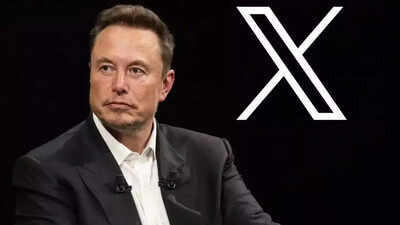
Elon Musk has lashed out at the European Union after the European Commission issued a €120 million penalty against X for breaching multiple transparency and data access requirements under the Digital Services Act. Within hours of the announcement, Musk posted that the “EU should be abolished,” arguing that sovereignty must be returned to individual nations so governments can “better represent their people.”
How X and Elon Musk fell foul of the EU’s toughest digital rules
The €120 million fine marks the first significant enforcement action under the EU’s Digital Services Act, a sweeping law designed to regulate online platforms, curb illegal content and improve transparency across the 27-member bloc. The penalty followed a two-year investigation into X’s practices, which concluded that the platform failed to meet mandatory standards on verified identity, advertising transparency and researcher access.EU regulators found that X’s paid verification system misled users by suggesting authenticity without rigorous identity checks. The Commission also ruled that X’s ad library lacked essential information on who paid for political or commercial ads and did not provide adequate public or researcher access, limiting oversight of misinformation and influence operations. Officials said these violations undermined the DSA’s core aim of ensuring a safe and accountable digital environment.
Elon Musk’s furious response reignites sovereignty debate
Musk’s call to abolish the EU marks his strongest attack yet on European regulators. He framed the penalty as an example of regulatory overreach, claiming it restricts innovation and suppresses national self-determination. In previous remarks, Musk has accused Brussels of imposing rules that favour bureaucracy over free expression and technological progress.The timing of his response amplified political tensions already simmering across the Atlantic. Some US political figures quickly denounced the EU’s fine, describing it as an attack on American technology companies and a sign of growing hostility towards US-based platforms. Musk’s statement tapped directly into those narratives, pushing the debate beyond digital policy and into geopolitical territory.Under the ruling, X now faces strict deadlines to overhaul several parts of its platform. The company has 60 days to fix its verification system and 90 days to strengthen its advertising transparency tools and researcher access protocols. Failure to comply could result in even heavier penalties, with the DSA allowing fines of up to 6 percent of a company’s global annual turnover.Brussels defended its position, noting that the DSA does not police speech but instead focuses on transparency, traceability and accountability. Officials stressed that all very large online platforms are subject to the same rules and that X’s non-compliance left regulators with no choice but to act.
A widening rift between Musk and the EU
The confrontation highlights a growing divide between Musk and European institutions. Since acquiring X, he has repeatedly criticised regulatory frameworks he views as restrictive, while EU bodies argue that such oversight is essential to safeguard users and protect democratic processes.Beyond the immediate financial impact, the fine raises questions about the future of X’s operations in Europe. Compliance costs are expected to rise, and further clashes could complicate the platform’s ability to operate freely within the bloc. For Musk, the dispute has become not only a legal challenge but a symbol of a broader ideological fight over who should shape the digital public square.









 हिन्दी
  English